
Bringing a new baby into the family is an exciting and emotional time—especially for your firstborn. Toddlers, who thrive on routine and familiarity, may find the transition challenging. When I was preparing my toddler for the arrival of our second baby, I knew I wanted to create a positive and reassuring experience for them.
I’ve learned that the key to a smoother transition is early preparation, inclusion, and lots of love. But it hasn’t always been easy! Here are some of the challenges I faced and the strategies that helped.
1. Talking About the Baby in a Toddler-Friendly Way
Even before the baby arrived, I introduced the idea gently. We talked about the baby growing in my belly and read simple books about becoming a big sibling. Some of our favorites were:
📖 I’m a Big Sister by Joanna Cole
📖 Waiting for Baby by Rachel Fuller
💛 Challenge: My toddler didn’t seem interested at first.
✅ Solution: Instead of forcing it, I let them lead the conversation. As my belly grew and they saw baby items around the house, their curiosity naturally increased.
2. Involving My Toddler in the Preparations
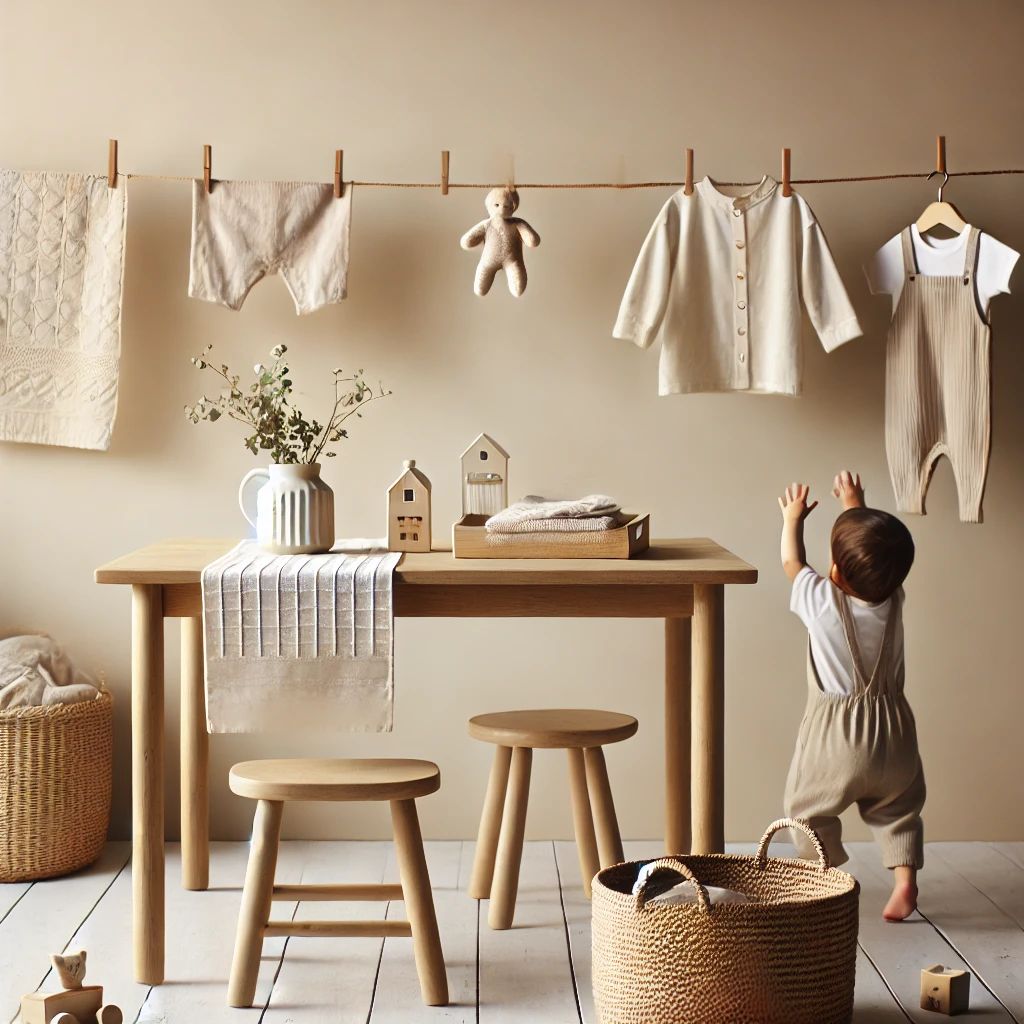
Toddlers love to feel important, so I gave mine small jobs to help with. They picked out baby clothes, helped fold tiny socks, and even chose a special toy to “gift” to the baby.
One of my favorite moments was letting them pick out a “big sibling” outfit. Seeing their excitement made me realize how much these small gestures helped them embrace their new role.
💛 Challenge: They sometimes lost interest quickly.
✅ Solution: I kept their tasks short and fun. If they got bored, I didn’t push it—just gave them a break and tried again later.
3. Managing Big Feelings
I knew my toddler would have moments of frustration or confusion. Instead of dismissing their emotions, I made sure to validate their feelings:
💛 “It’s okay to feel a little unsure about the baby.”
💛 “You will always be special to us, no matter what.”
Instead of saying, “You’re a big kid now!” (which might feel like pressure), I reassured them that they were still my baby, too. This balance helped them feel secure while embracing their new role.
💛 Challenge: They started acting out more, especially when I was busy with the baby.
✅ Solution: I made sure to praise good behavior (“You were so gentle with the baby!”) instead of only correcting negative behavior.
4. Handling Breastfeeding While My Toddler Played Up
This was one of the biggest struggles for me. My toddler always seemed to need something urgent the moment I sat down to feed the baby! Sometimes it was attention-seeking, and other times, they just felt left out.
✅ Solutions that worked for me:
✔️ Planned ahead – Before breastfeeding, I’d set them up with an activity like coloring, a puzzle, or a snack.
✔️ Special “feeding time toys” – I created a small basket of special toys they could only play with while I fed the baby.
✔️ Included them – Sometimes, I’d read them a book while nursing or let them cuddle next to me.
💛 Challenge: When they were really upset and acting out.
✅ Solution: If they were having a meltdown, I’d pause for a moment to give them a quick hug and reassurance before continuing to feed the baby. It wasn’t always perfect, but it helped reduce frustration.
5. Juggling Sleep Routines for Two Kids
Bedtime was another tricky adjustment. Before the baby arrived, my toddler had a set routine, but suddenly, I was also managing a newborn’s unpredictable sleep schedule.
✅ Solutions that worked for me:
✔️ Kept my toddler’s bedtime routine as consistent as possible – Same books, same songs, same cuddle time.
✔️ Used babywearing – If the baby was unsettled, I’d wear them in a wrap while getting my toddler ready for bed.
✔️ Tag-teamed with my husband – If he was home, one of us handled bedtime while the other tended to the baby.
💛 Challenge: My toddler refused to sleep some nights, wanting extra attention.
✅ Solution: My husband and I bed hop between beds to support our toddler to sleep sometimes, when needed. This isn’t ideal for some families, but we focused on it being a short term solution.
6. Encouraging Sibling Bonding
From the start, I found little ways to involve my toddler:
👶 Bringing a nappy to help with changes
👶 Singing a lullaby to the baby
👶 Teaching my toddler to give baby a toy when he cries.
I’ll never forget the first time my toddler gently patted the baby’s head and said, “I love you!” My heart melted, and I knew all the preparation had been worth it.
💛 Challenge: Sometimes, my toddler got too rough.
✅ Solution: Instead of scolding, I’d redirect their energy by showing them a gentler way to interact: “Try giving baby a soft pat like this.”
Final Thoughts: Embracing the Ebb & Flow
The transition from one child to two isn’t always smooth, and that’s okay. Some days were full of cuddles, and others had tantrums and tears (from all of us!). But with patience, reassurance, and a little extra love, we found our new rhythm.
If you’re preparing your toddler for a sibling, trust that they will adjust in their own time. Keep communication open, involve them in small ways, and don’t forget to give yourself grace during this transition.
Have you been through this journey? I’d love to hear how you prepared your little one for a sibling—share your experiences in the comments! 💛
 The Nesting Tide
Leave a comment